
Guide 01

Player Performance Analytics

Poker players often feel they are improving, but short-run results are mostly noise. Performance analytics turns logged hands and sessions into numbers you can read and compare, so you can judge the quality of your decisions, keep play within the limits you set and treat the game as entertainment rather than income.

Poker chips and playing cards on a green casino table
A hand holding a royal flush in spades

01

Individual Player Statistics

Individual statistics describe what one player actually did at the table: how many hands they played, how often they entered a pot and how they bet once they were in. They are the raw material for every other kind of analysis. Without a clean, consistent record of hands and sessions, comparisons and progress charts quickly become guesswork.

Log every session the same way — date, game, stake level, number of hands, hours played and the result — and judge your numbers over many thousands of hands rather than a single night. In house-banked games such as blackjack, roulette and baccarat, these records describe your play and your spending; they cannot change the built-in house edge.

  • Hands played and hours at the table in each session
  • VPIP: the share of hands in which you voluntarily put money in the pot
  • PFR: the share of hands in which you raised before the flop
  • Session results in big blinds, plus buy-ins, cash-outs and money spent at table games
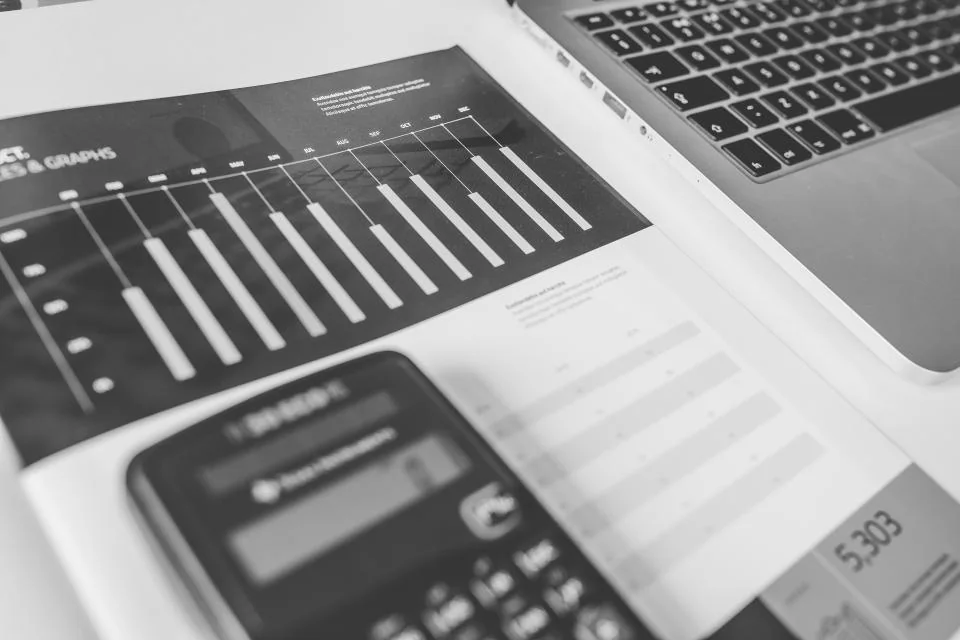
Printed poker statistics charts next to a calculator

02

Performance Metrics

Raw counts become meaningful when they are turned into rates that can be compared across sessions of different length. In cash-game poker the standard measure is win rate in big blinds per 100 hands (bb/100), which puts sessions at different stakes on the same scale. Tournament players look at return on investment (ROI) and the share of events in which they finish in the money.

Read every metric alongside its sample size. Poker variance is large, so even tens of thousands of hands can leave a wide margin of error around a win rate. A few well-understood metrics, reviewed calmly, are more useful than a screen full of numbers — and none of them is a reason to raise stakes or chase a losing streak.

  • Rates: bb/100 for cash games, ROI for tournaments
  • Tendencies: VPIP, PFR and the gap between them, plus aggression factor (bets and raises divided by calls)
  • Consistency: in-the-money rate and how widely results swing from one session to the next

Track & Review

From Hand Histories to Better Decisions

With honest records in place, four habits turn the numbers into clearer thinking at the table.

03

Player Progress Tracking

Progress tracking means recording the same figures in the same way over weeks and months: hands, hours, stake, result and notes on game conditions. A simple spreadsheet is enough. Add your bankroll and the time and money limits you set before each session, and note whether you kept to them.

Look at long-run trends instead of reacting to a single session. Over a short stretch, results are dominated by variance; staying within your limits is a better sign of progress than any one winning night.


04

Gaming Efficiency

Efficiency asks how much value each decision produces for the time and money involved. In poker that means fewer marginal calls, fewer weak hands played out of position and less money lost to tilt. At table games it mostly means knowing the cost of play — the house edge multiplied by the amount wagered per hour — so a budget lasts as long as planned.

The core skill is separating results from decision quality: a sound decision can lose and a poor one can win in the short run, so judge the decision, not the outcome.

05

Skill Assessment

Skill assessment breaks poker play into separate areas — preflop hand selection, position, bet sizing, reading opponents’ ranges and emotional control — and reviews each one. Combine your statistics with hand-history review and, where possible, discussion with a study partner.

In blackjack, assessment is simpler: how closely you follow basic strategy, which lowers the house edge but does not remove it. The aim is an honest picture of strengths and one or two leaks to work on, not a single grade.

06

Performance Benchmarking

Benchmarking compares your numbers with a reference point: your own past results, typical ranges for your game format or the stake level you play. A VPIP that suits a short-handed table can be far too loose at a full-ring game, so context matters.

Compare like with like — same format, stake and table size — and treat outside ranges as rough guides. A strong-looking win rate over a small sample is not proof that you are ready to move up in stakes.

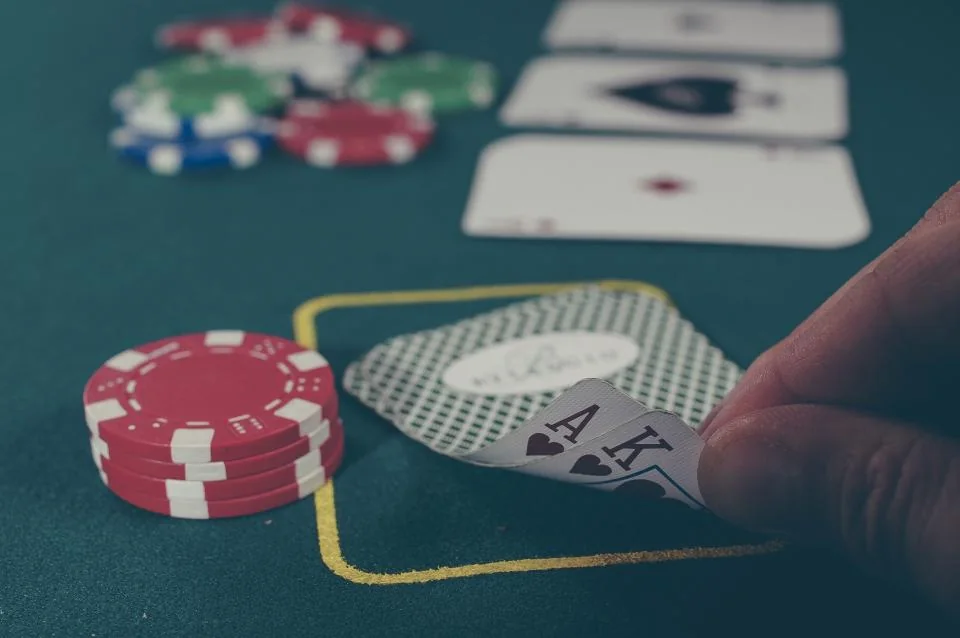
Ace and king of hearts on green casino felt

07

Player Development

Player development is where analytics pays off. Each study block should start from the data: find the leak that seems to cost the most, study it away from the table, then review the same kinds of spots in new hand histories after a fixed period.

Keep cycles short and specific, and keep them inside a fixed budget of time and money. Poker and casino games are for adults of legal gambling age only, and a development plan should never become a plan to win back losses.

  • Set one clear study goal per cycle, such as preflop ranges or river decisions
  • Review marked hands from recent sessions, focusing on decisions rather than results
  • Decide session length, stake and loss limit before you sit down
  • Take regular breaks, and stop when the game stops being fun

08

Competitive Performance Reports

A competitive performance report brings everything together for a month, a series of tournaments or a whole year. It summarizes hands and hours played, win rate or ROI, in-the-money rate and key tendencies such as VPIP, PFR and aggression factor, sets them against your benchmarks and explains the story behind the numbers.

The best reports are short and honest. One page with a few charts, three observations about decisions and a short list of study topics is far more useful than pages of raw tables. Include how much time and money you spent, and whether you stayed within the limits you set.

Read regularly, these reports keep the focus on understanding your decisions — not on chasing losses or expecting the next session to make up for the last one. If tracking ever starts to feel like pressure, that is a signal to step back.

From the Shop

For the Players’ Lounge