Guide 05

Gaming Technology

Modern casinos run on technology most players never see: slot cabinets with dedicated game boards, smart tables that track chips, live-dealer studios streaming to home screens and random number generators checked by independent labs. This guide explains how it works, how to build a reliable setup for online play — and why fair, licensed games depend on it.

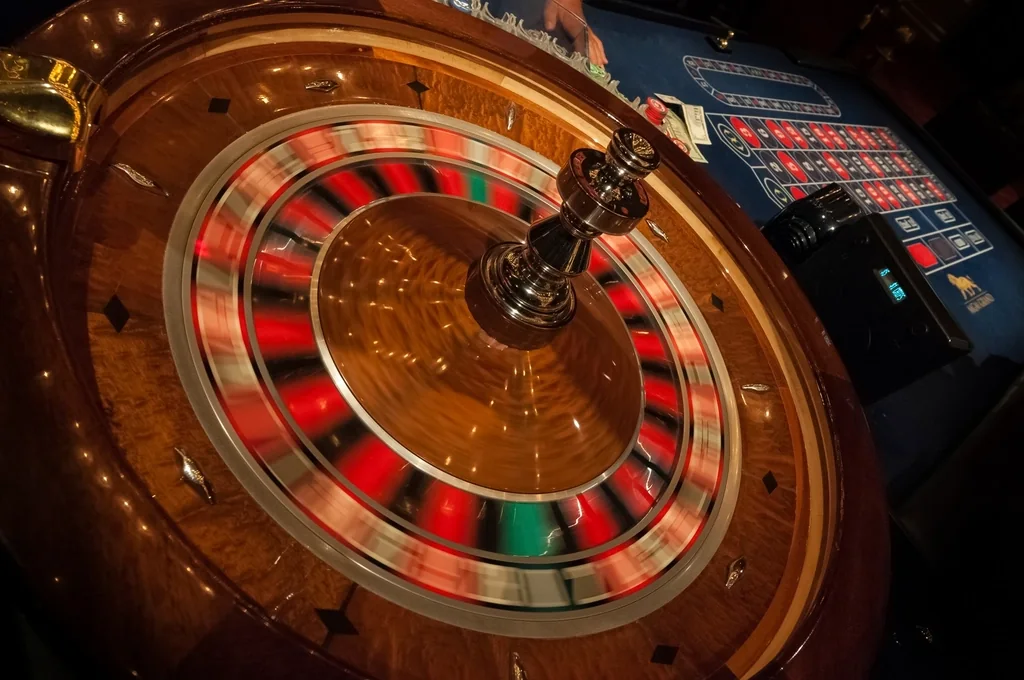
A spinning roulette wheel beside an electronic betting display
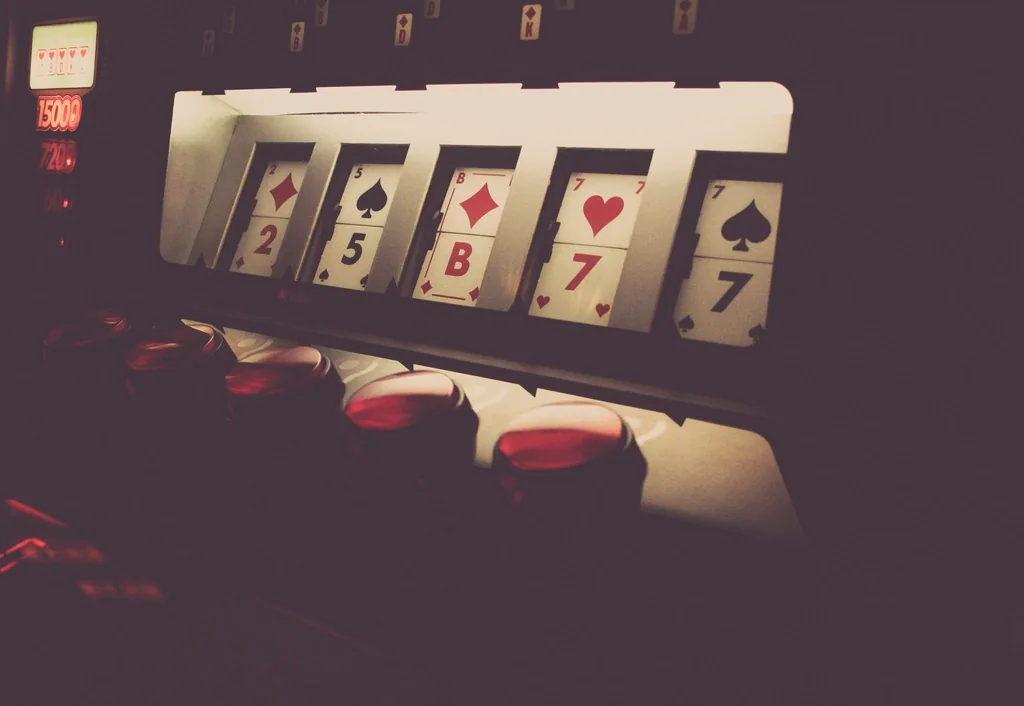
Close-up of a slot machine's reels showing card symbols and sevens

01

Hardware Performance

A modern slot machine is a computer inside a secure cabinet. Its game controller board runs the approved software, takes results from the random number generator and keeps electronic meters of every credit in and out. Around it sit the displays, often touchscreens, a bill validator that checks banknotes and a ticket printer that issues cash-out vouchers. The reels only reveal an outcome the software has already determined.

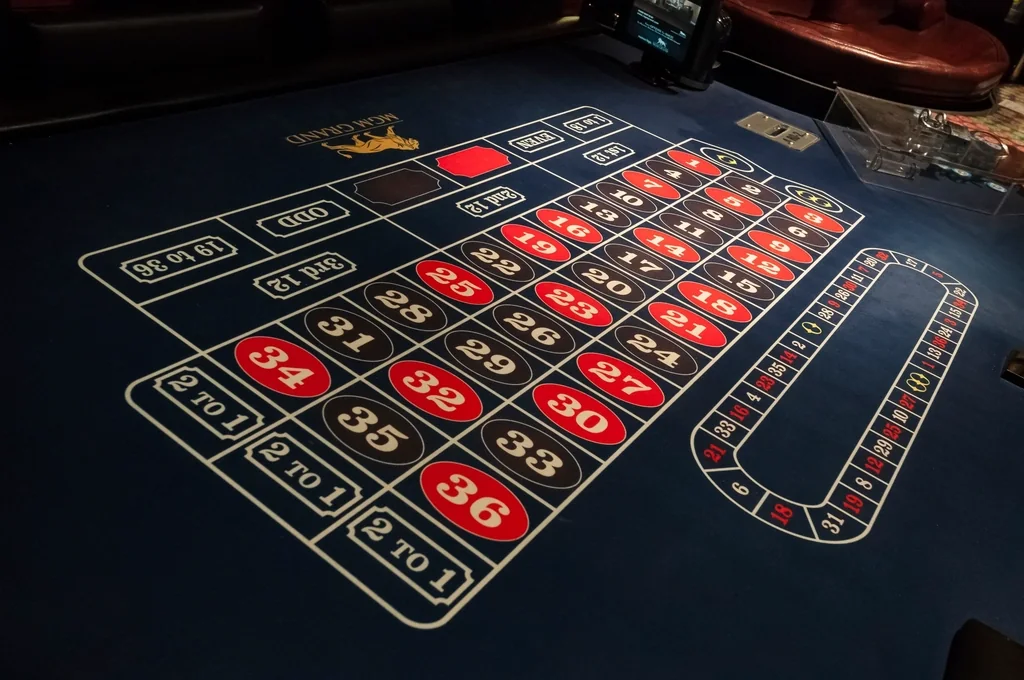
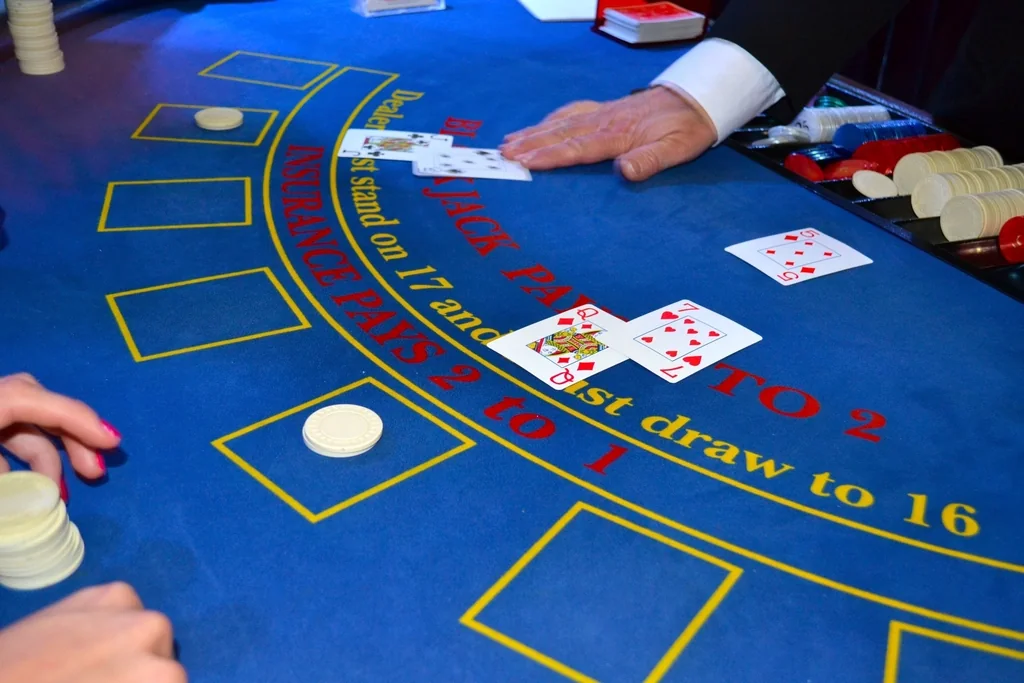
Tables are going electronic too. Electronic table games present roulette, blackjack or baccarat on touchscreen terminals, sometimes linked to a physical wheel or a live dealer. Smart tables use sensors to register cards and wagers, and RFID-enabled chips carry a small tag that identifies each chip's value, helping with counting and spotting counterfeits. None of this changes a game's odds or house edge.

  • Cabinets and displays: bright screens built for continuous operation on a busy floor
  • Bill validators and ticket printers: handle cash and vouchers so credits are tracked accurately
  • Game controller boards: run approved software in locked, sealed compartments
  • Smart tables and RFID chips: support accurate counting and security, not player advantage
A home desk in a dark room with two monitors, a keyboard, a mouse and a lit desk lamp

02

Gaming PC Optimization

Online casino games and poker run in a browser or a client and rarely need powerful hardware — they need reliability. An up-to-date operating system and browser bring security fixes and current video support, and closing heavy background apps such as downloads, cloud sync and video calls frees memory and bandwidth.

Stable power matters too: a laptop on battery may reduce performance to save energy, and a surge protector or small uninterruptible power supply (UPS) protects a desktop from outages. Poker players who open several tables should tile or stack them deliberately and play only as many as they can follow, within the deposit and time limits set in their account.

  • Update the operating system, browser and poker client from official sources only
  • Close downloads, streaming and other heavy apps before a session
  • Use AC power on laptops and protect desktops against power cuts
  • Open only as many tables as you can follow, and set session limits first

Screens & Signals

What Keeps Play Smooth and Clear

Four factors decide how smoothly a live table streams, how reliably bets register and how easily every card can be read.

03

Monitor Refresh Rates

Refresh rate, measured in hertz (Hz), is how many times per second a screen updates its image. Casino software is far less demanding than fast action games, and a standard 60 Hz display already shows a live-dealer stream smoothly; a steady connection matters more.

For multi-table poker, resolution and screen size decide readability. A larger, higher-resolution monitor fits more tables at a size where cards, stacks and bet amounts stay legible. At the venue, bright floor displays and signage show jackpot meters, table limits and waiting lists.

04

Input Latency

Input latency is the delay between a click or tap and the moment the game registers it. Live-dealer games accept bets only during a betting window that closes on a countdown, so a last-second bet over a slow connection may arrive too late. Online poker gives each player a set time to act, often plus a time bank, and a late action may be folded or checked under the site's rules.

Bet early rather than at the last moment, use a wired connection and close apps competing for the device. On electronic table games, touchscreens are calibrated to register where you press; if a terminal seems unresponsive, ask staff instead of tapping repeatedly.

05

Network Performance

Live-dealer games stream continuous video, so they need steady bandwidth as well as low latency, little jitter and no packet loss. A wired Ethernet connection is usually more stable than Wi-Fi, which suffers from distance, walls and interference. Licensed operators publish disconnection rules explaining what happens to a hand or bet if your connection drops — read them before you play.

At the venue, machines connect over secure, closed networks to casino management and monitoring systems that record meters, events and door openings, and in some jurisdictions link to central monitoring run for the regulator.

06

Graphics Settings

Casino and poker clients offer settings built for clarity rather than spectacle. A four-color deck gives each suit its own color — commonly black spades, red hearts, blue diamonds and green clubs — so suits are much harder to misread. Table felts, card backs and themes can be changed for contrast; a plain, high-contrast theme is easiest on the eyes.

Reducing chip and dealing animations keeps the screen calm and helps older devices respond faster. Make sure bet sliders and amount boxes are easy to read, and use preset bet sizes or confirmation prompts where offered to avoid input mistakes.

A roulette wheel in the foreground with stacks of colored chips and players' hands resting on the betting layout

07

Gaming Peripherals

At the venue, table equipment is technology in its own right. Automatic card shufflers randomize one or more decks quickly and consistently, and dealing shoes hold several decks for blackjack and baccarat, presenting cards one at a time. Chip sorters return chips to the rack by color, and roulette wheels are precision-made and inspected for level and balance; some electronic roulette games use an automatic ball launcher.

At home, the peripherals are simple. A dependable mouse reduces misclicks on small buttons, and a second screen can hold a stream, a clock or your session timer while the tables stay on the main display.

  • Shufflers and shoes: consistent card handling and fewer dealing errors
  • Chip sorters: faster, more accurate chip handling for dealers
  • Roulette wheels and ball launchers: inspected regularly so results stay random
  • At home: a reliable mouse and a second screen for an uncluttered layout

08

Software Performance Testing

Every result in a slot or online casino game comes from a random number generator (RNG) — software that produces unpredictable numbers mapped to reel positions, cards or wheel pockets. Before a game is approved, independent testing laboratories review the source code, run statistical tests on large samples of output and confirm that each result is independent of the one before.

The game math is checked as well. Return to player (RTP) is the share of all wagers a game is designed to pay back over a very large number of plays; labs verify the paytable and probabilities behind the stated figure and that it falls within any limits the jurisdiction sets. RTP describes the long run, not any single session, and no betting pattern, tool or device can change it.

Certification is followed by change control: approved software is verified with digital signatures or checksums, so operators and regulators can confirm the code running is exactly what was tested, and updates must be approved again. That is why you should play only with licensed operators: licensing brings independent testing, published rules and complaint routes, together with deposit limits, time-outs and self-exclusion.
From the Shop

For the Late-Night Setup