Guide 04

Gaming Skills Development

Poker, blackjack and other card and table games reward clear thinking, steady focus and good habits at the table. This guide explains how to build those skills on purpose — while remembering that skill improves your decisions but never removes the house edge in house-banked games.

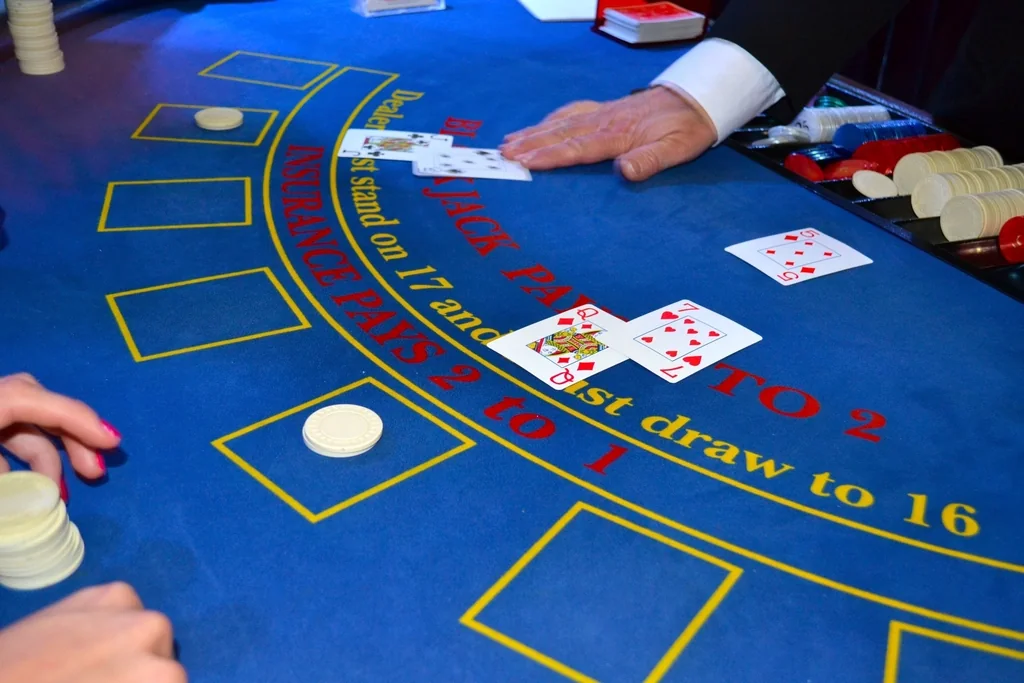
A dealer handing out cards at a blackjack table
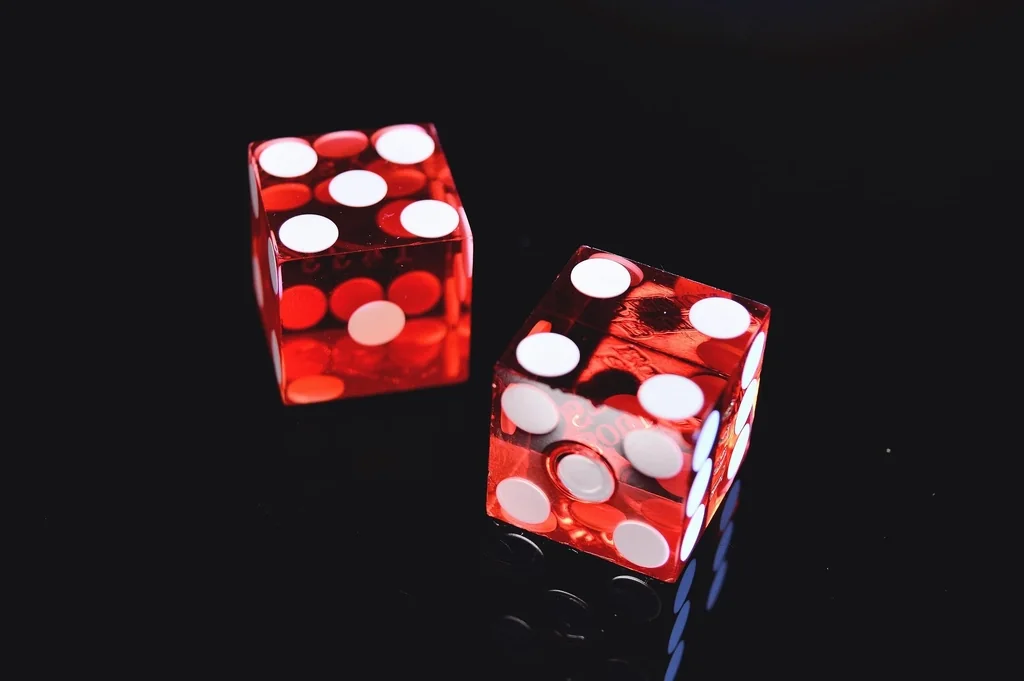
Two red casino dice resting on a black background

01

Reaction Time Improvement

In casino games, reaction time is not about reflexes. It is about making a sound decision before the clock runs out — an online time bank, the betting window at a live-dealer table or the quick pace of fast-fold poker. Players who seem fast have usually made most of their decisions before the hand begins.

The way to get quicker is preparation. When you already know how you will play common spots, the clock stops being a source of pressure and becomes simple routine. If the pace still feels rushed, a slower table or game is the better choice.

  • Learn your standard plays for common hands before you sit down
  • Know how the time bank or betting window works at your table
  • Choose a slower game when the pace pushes you into guesses
  • Take a break when you notice yourself acting on impulse
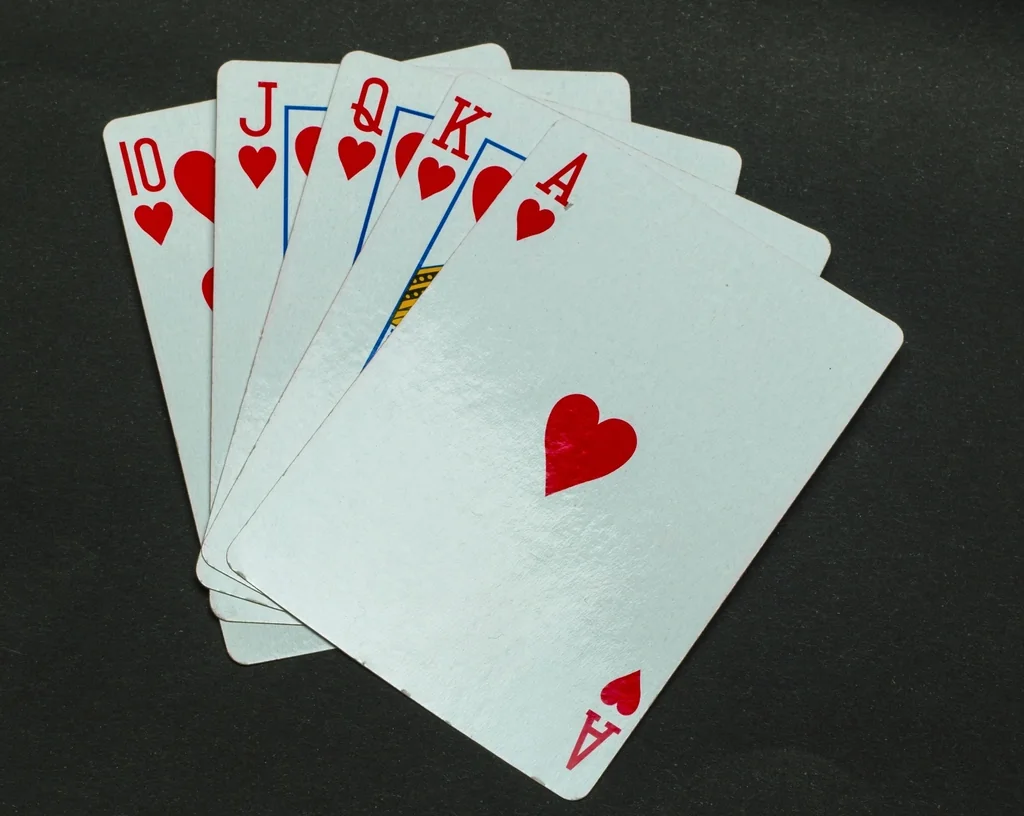
A fanned royal flush in hearts

02

Decision-Making Skills

Card and table games are long chains of decisions. In blackjack, basic strategy gives the mathematically best play for each total against each dealer upcard; following it lowers the house edge but does not remove it. In poker, pot odds compare the price of a call with the size of the pot, and expected value asks whether a choice wins or loses on average over many repetitions.

Folding is a decision too, and often the right one. Strong players are comfortable letting a hand go when the numbers do not support continuing, instead of paying to see what might have been.

  • Keep a basic strategy chart handy where the rules allow it
  • Compare the price of a call with the pot before you act
  • Treat a well-reasoned fold as a good decision, not a loss

Table Craft

The Skills Behind Every Hand

Four connected abilities shape how well a player plans, pays attention, stays composed and acts at the table.

03

Strategic Thinking

In poker, strategy starts with position — acting later gives you more information — and with thinking in ranges, the full set of hands an opponent might hold, rather than guessing one. Good players plan a hand across every street instead of deciding one bet at a time.

Strategy also begins before the first card: choosing a table that suits your skill and budget, and favoring games with a lower house edge.

04

Focus and Concentration

Attention fades quietly over a long session, and small lapses add up to costly decisions. Phones, conversation and screens all compete for focus at the table.

Decide on a session length in advance, take regular breaks and keep alcohol away from decisions that involve money. Step away if you can no longer follow the action clearly.

05

Cognitive Performance

Fatigue and emotion change how you think. Tilt — frustration after a bad beat or a losing run — pushes players into bigger bets and looser calls. The gambler's fallacy adds another trap: each spin, roll or shuffle is independent, so no result is ever "due."

Notice the early signs of tilt, pause when they appear and never raise your stakes to win back losses.

06

Hand-Eye Coordination

At a live table, coordination means handling chips cleanly, protecting your cards and making betting actions that the dealer and other players cannot misread. A clear, single motion avoids disputes over string bets or unintended actions.

Online, it means steady mouse control and careful clicks, especially when playing several tables at once — and playing fewer tables if mistakes start to slip in.

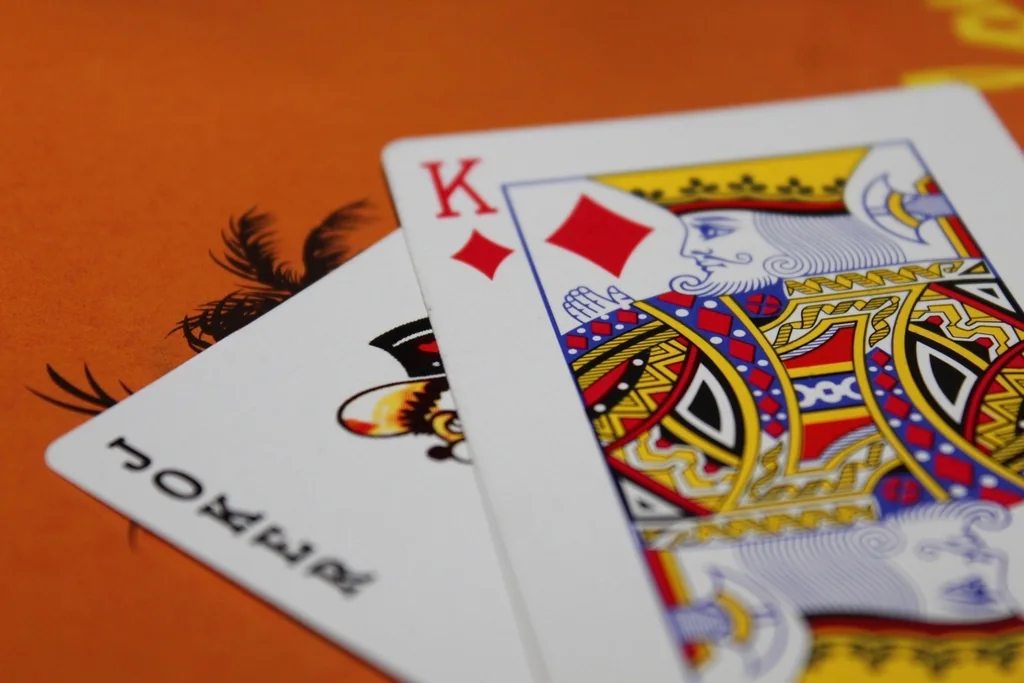
Close-up of a king playing card

07

Learning Techniques

Most improvement happens away from the table. Playing hand after hand on autopilot repeats existing habits, good and bad alike. Structured study focuses on one idea at a time — a blackjack chart, a poker spot, a betting rule — and checks it against the math.

Free-play modes and study at home let you practice without putting money at risk. Short, regular study sessions tend to work better than occasional marathons, and they leave time for new habits to settle before you test them in real play.

  • Strategy charts: learn one section of a basic strategy chart at a time
  • Spaced repetition: revisit charts and odds over several days
  • Hand review: go back over key hands and ask what the right play was
  • Study groups: talk through tricky spots with other players

08

Skill Progress Monitoring

In casino games, short-term results are mostly luck, so judge your decisions rather than your wins and losses. A correct play can lose and a poor one can win; what matters is whether you made the best choice with the information you had. A simple session log helps — date, game, time played, amount spent and any decisions you were unsure about.

Set a time limit and a loss limit before every session, using only money you can afford to lose, and add clear stop rules: when you reach either limit, feel tired or start to tilt, you stop. Never chase losses by playing longer or betting more. Skill can sharpen your choices, but it cannot remove the house edge in house-banked games.

Only play if you are of legal gambling age where you live. If gambling stops feeling like entertainment, take a break and reach out for support — confidential help lines, deposit limits and self-exclusion tools are available to anyone who needs them.
From the Shop

Crystal for Quiet Strategy