Guide 03

Competitive Gaming

Poker tournaments and other casino competitions pit you against a field of players rather than the house alone. They mix skill with plenty of variance, and while no one controls the cards, preparation, sound decisions and disciplined bankroll limits can all be studied and measured.

Stacks of casino chips beside a hand of playing cards
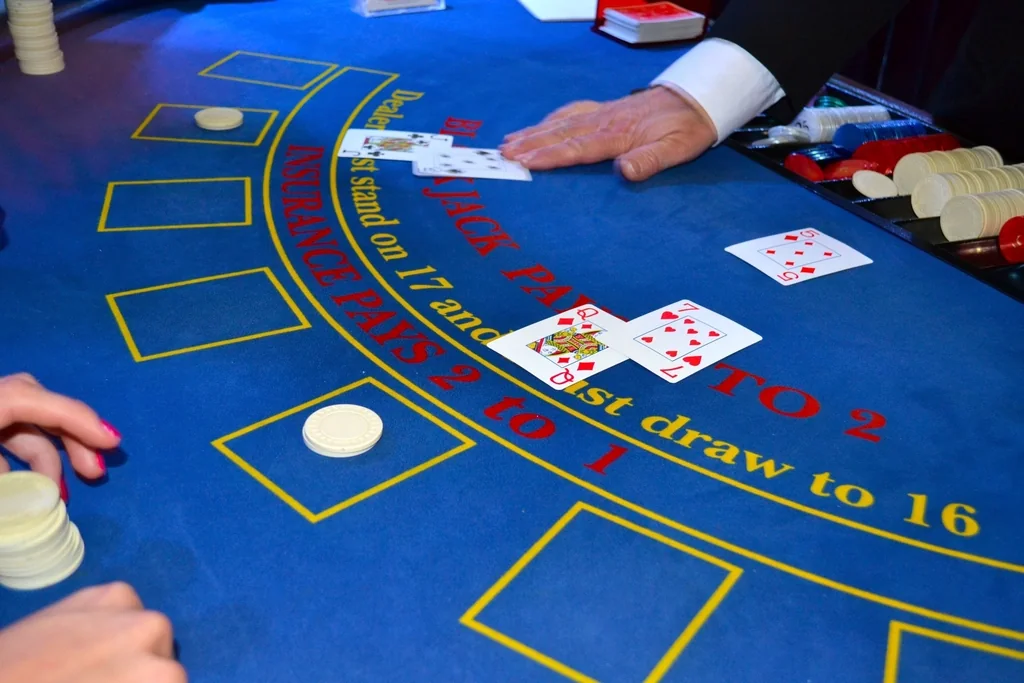
A rack of casino chips and playing cards on a blackjack table

01

Competitive Gaming Fundamentals

Competitive casino gaming means playing for a ranking or a share of a prize pool against other entrants under one set of rules. Poker tournaments are the best-known example, but blackjack tournaments and similar events follow the same idea: everyone pays a fixed buy-in, receives the same starting chips and plays until the structure decides the finishing order.

Formats vary. In a freezeout, each player gets one entry; re-entry events allow a new buy-in after elimination for a set period; a sit-and-go starts as soon as a single table fills; and multi-table tournaments merge tables as players bust. Whatever the format, short-term results are dominated by variance, so competitors judge themselves over many events, not one.

  • Know the format, buy-in and re-entry rules before you register
  • Understand the blind structure and how quickly it rises
  • Base decisions on stack sizes, position and payouts, not impulse
  • Play only at buy-in levels you can comfortably afford to lose
Black and blue casino chips, red dice and playing cards on a dark surface

02

Tournament Performance

Tournament performance is usually tracked with a few simple measures: how often a player finishes in the money, how deep those finishes go, and return on investment (ROI), which compares total prizes with total buy-ins and fees. Because payouts are top-heavy and fields change, these numbers need a large sample before they say much about skill.

Decisions also change as the event develops. Stack depth, measured in big blinds, shapes which plays make sense, and near the money or at a final table the Independent Chip Model (ICM) helps explain why chips are not worth the same as cash. Losing a stack costs more than doubling it gains, so payout-aware players often take fewer marginal risks.

  • Track entries, cashes, buy-ins and fees honestly over time
  • Think in big blinds rather than raw chip counts
  • Adjust for payout jumps near the bubble and at final tables
  • Treat a single deep run or early exit as one data point

Prepare & Review

Beyond the Final Table

Tournament results swing with the cards. These four areas are the parts a player can actually study, plan and review.

03

Player Rankings

Many poker and casino tournament circuits rank players with points-based leaderboards. Points are typically awarded for cashes and final tables, often weighted by buy-in and field size, and season totals decide player-of-the-year style titles.

Read a leaderboard as a record of volume and results over a season, not a precise measure of skill. Players who enter more events have more chances to score.

04

Team Performance Analysis

Poker is played one player per hand, but teamwork still exists. Some events use team formats with combined scoring or tag-team play, and many players improve in study groups that share hand histories and discuss spots.

A good group reviews decisions, not results, and keeps all discussion away from the table while a hand or event is in play.

05

Competition Preparation

Preparation starts with the schedule: which events, which formats and which buy-ins fit a bankroll set aside only for tournament play. Setting a firm buy-in limit and a re-entry cap in advance keeps decisions calm on the day.

The basics matter too. Sleep, meals and breaks protect focus over long sessions, and every entrant must meet the legal age for the venue.

06

Match Analysis

Hand review after an event shows what actually happened, which often differs from how it felt at the table. Note key hands with stack sizes, position and action so they can be revisited later.

Judge each decision by the information available at the time, not by the cards that followed, and finish with one or two points to work on.

08

Professional Gaming Standards

Professional standards start with integrity. Tournament rules commonly require one player per hand, ban collusion such as soft-playing a friend or sharing information about folded cards, and prohibit chip dumping or any outside assistance during play. A result only means something when every player can trust how it was achieved.

Etiquette matters just as much. Acting in turn, keeping chips visible and stacked, protecting your hand, not discussing a hand in progress and accepting the floor's rulings calmly are expected at any well-run event, and dealers and staff deserve the same respect as opponents.

Finally, responsible gaming is part of competing well. Tournaments are skill-and-variance contests with no guaranteed outcome, so serious players meet the legal age, set buy-in limits in advance, play only with money they can afford to lose, take regular breaks and step away when the game stops being enjoyable.


From the Shop

Raise a Glass on Match Day